
Understanding PVB vs. SentryGlas® (SG) Interlayers for High-Velocity Hurricane Zones
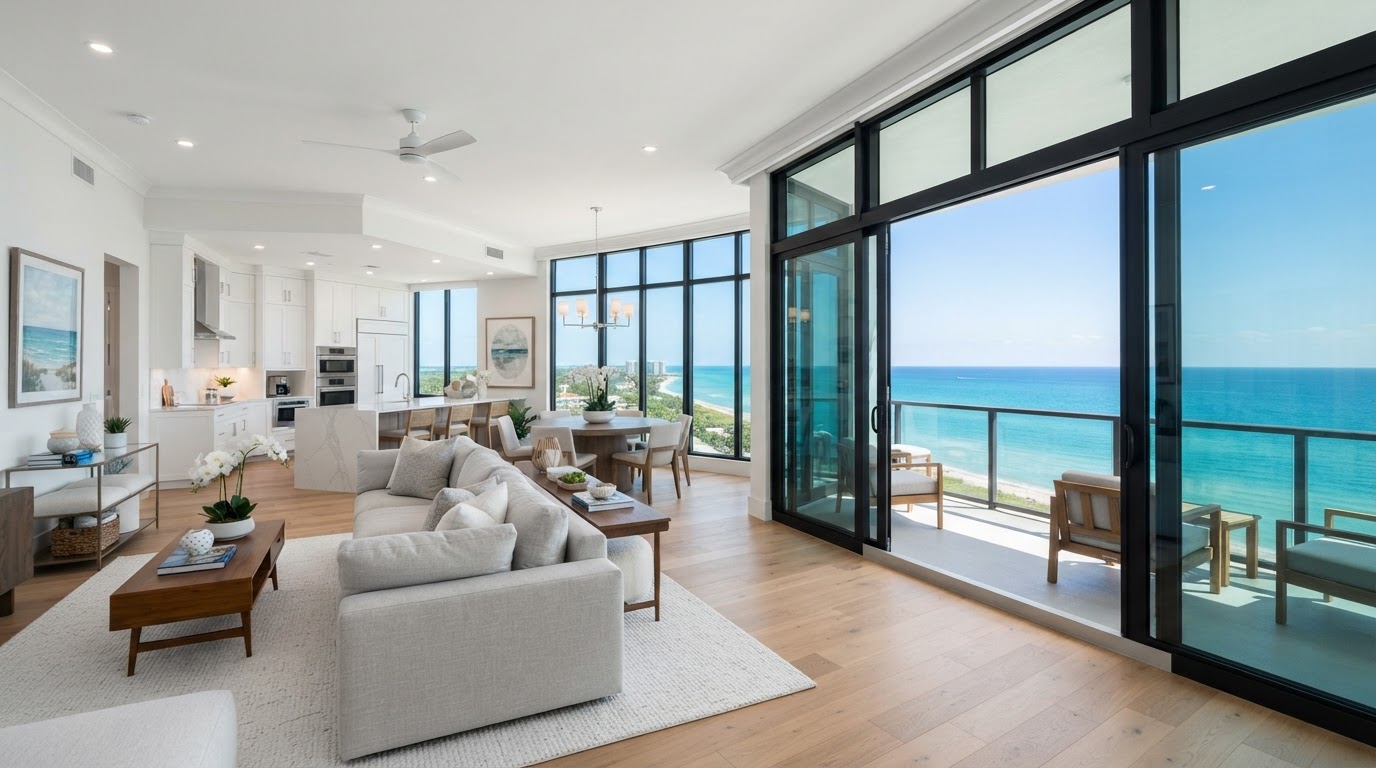
Impact glass is a laminated assembly: two panes of glass bonded to a tough plastic interlayer that holds the glass together even when it shatters. The interlayer is what stops a flying missile and keeps the wind out of your home. The two interlayers you'll encounter in South Florida are PVB (polyvinyl butyral) and SentryGlas® (SG), an ionoplast. They behave very differently under hurricane conditions.
PVB — The Industry Standard
PVB has been used in automotive and architectural glass for decades. It's flexible, optically clear, and cost-effective. In a hurricane, PVB laminates pass the large-missile test by absorbing the impact and stretching — the glass cracks but the interlayer holds. PVB is perfectly adequate for most residential applications and is the most common interlayer in NOA-approved residential impact windows.
SentryGlas® — The Rigid Upgrade
SentryGlas® ionoplast is significantly stiffer and stronger than PVB — roughly five times the shear stiffness and much higher tear resistance. Under the same missile impact, an SG laminate deflects less, retains more of its structural rigidity after cracking, and resists the cyclic wind-pressure test with less permanent deformation. SG also has superior moisture resistance, meaning it won't delaminate or cloud at the edges the way PVB can after years of South Florida humidity.
When SG Is Worth It
For oversized openings, high-rise exposures, or homes directly on the coast, the added rigidity of SG pays off. Larger panes flex more under wind load, and SG keeps the deflection within acceptable limits where PVB might bow enough to compromise the seal. SG is also preferred for overhead and sloped glazing (skylights, sunroom roofs) where water ingress after cracking is a concern. The trade-off is cost: SG laminates typically run 15–30% more than equivalent PVB units.
Optical and Long-Term Differences
Both interlayers are optically clear when new. The difference shows up over time. PVB is more susceptible to edge moisture intrusion, which can cause a hazy band near the frame after many years — purely cosmetic, but visible. SG's moisture resistance keeps the edges clear for the life of the unit. For homeowners who plan to stay long-term, that longevity is part of the value.
How to Choose
The right interlayer depends on your opening sizes, exposure, and budget. A standard single-family home inland with normal-sized windows is well served by PVB. A waterfront property with floor-to-ceiling glass or a sunroom with sloped glazing benefits from SG. A&E specifies the interlayer per opening based on the engineered requirements — we don't use a one-size-fits-all product, because the code doesn't either.
Not Sure Which Glass You Need?
OUR GLAZING SPECIALISTS SPECIFY THE RIGHT INTERLAYER FOR EVERY OPENING ON YOUR PROPERTY.